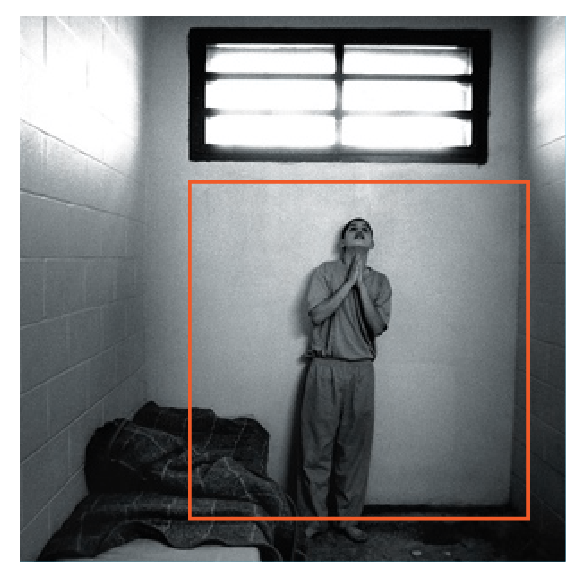
solitary
some seem to forget that the prisoner is a rational being
Solitary Confinement's Unlikely Origins
Characterised today by the noise of banging, buzzers, and the cries of inmates, solitary confinement was originally developed from Quaker ideas about the redemptive power of silence, envisioned as a humane alternative to the punitive violence of late-18th century jails. Revisiting Pennsylvania’s Eastern State Penitentiary, Jane Brox discovers the spiritual origins and reformist ambitions of solitary’s early advocates, and sees their supposedly progressive desires come to ruin by the 20th century.
On any given day in the United States, of the more than one million men and women incarcerated in jails and prisons, over 120,000 are locked in solitary confinement. None have been sentenced by a court to their isolation. They are serving a punishment within punishment, having been placed in solitary by prison officials for a variety of reasons: violent crime, petty theft, speaking out, gang involvement, political activism. Some are in protective custody; others have mental health issues and are considered too difficult to control. A disproportionate percentage are people of color. Their sentence might last weeks or months and is subject to extension. More than a few spend years, even decades in cells whose dimensions are commonly compared to the size of a parking space, but which are often smaller six-by-nine feet, or eight-by-ten. Reading material is sparse. Confined prisoners don’t participate in educational or rehabilitation programs.
punishment within punishment
The idea of the solitary cell as an integral part of the American prison system arose during the Early Republic, the specific vision of Philadelphia physician and Founding Father Benjamin Rush, who advocated for time in solitude and silence — the active, searching silence of Quakerism — as an alternative to the bodily pain, injury, and humiliation of public hangings �and whippings.
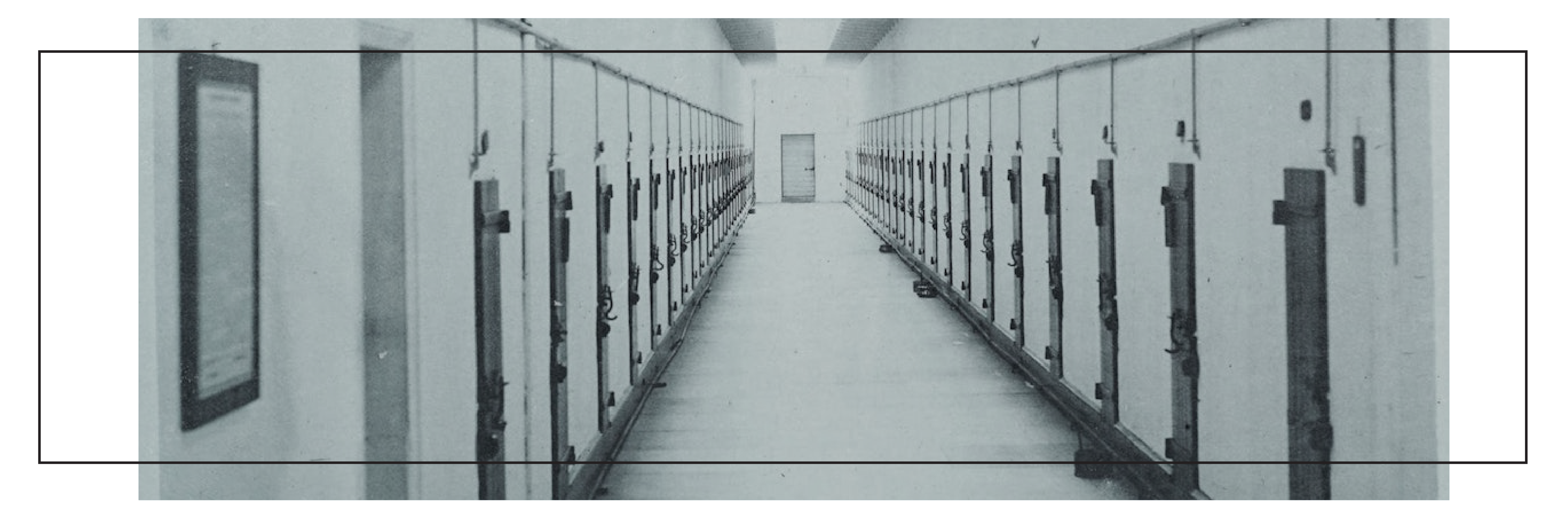
When Cherry Hill — as it was sometimes called — admitted its first prisoners in 1829, it stood in stark contrast to traditional jails, where debtors and those awaiting trial were housed in filthy, noisy, and disorderly common rooms.
In the penitentiary, not only were the confined to remain in their individual cells for the duration of their sentence, according to the board of inspectors for Philadelphia’s prisons, there was to be “such an entire seclusion of convicts from society and from one another, as that during the period of their confinement, no one shall see or hear, or be seen or heard by any human being, except the jailer, the inspectors, or such other persons, as for highly urgent reasons may be permitted to enter the walls of the prison.”
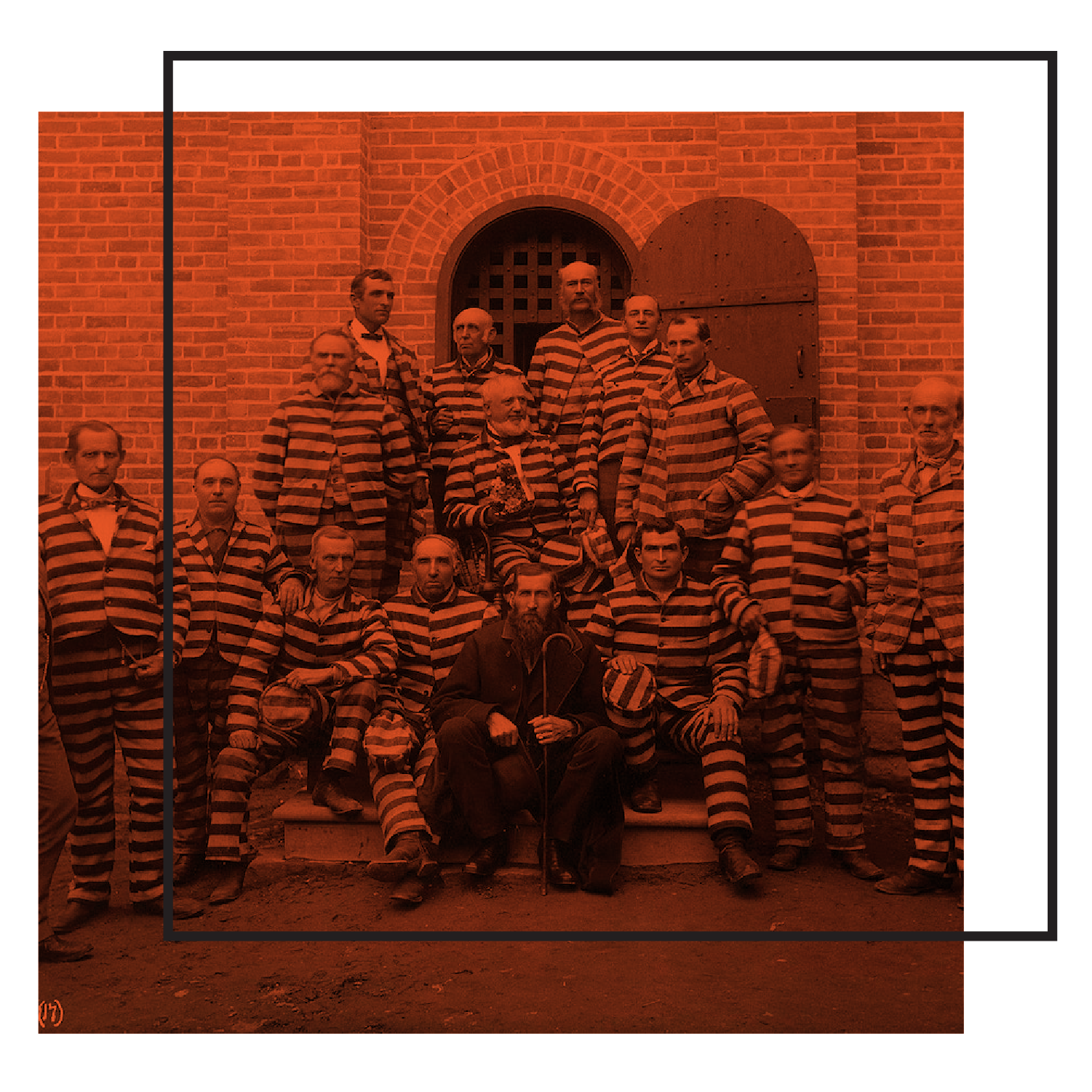
At the time, Philadelphia had already begun to search for alternatives to the public, provocative blood punishments and the notorious chaos of its overcrowded jails. Most notably, city officials were experimenting with having felons undertake public works projects such as building, maintaining, and cleaning the streets. The felons, known as “wheelbarrow men”, wore brightly colored or boldly striped uniforms, which were meant both to humiliate them and to help identify them should they escape.
They attracted crowds — some taunting them, others throwing coins in support and solidarity. Benjamin Rush did not live to see his vision fully play out: he died in 1813, a decade before construction of Eastern State began. Yet within those walls of stone his concept of the silent, solitary cell as a means of reformation for all prisoners — be it a first-time petty thief or an intransigent and violent perpetrator of assaults — survived, at least in theory.
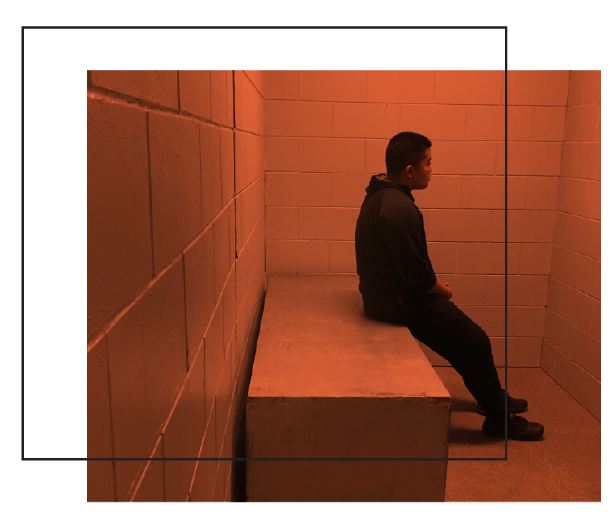
In today’s isolation, the food is not only often meager but unappetizing, with few fresh fruits and vegetables, and bread that is often soggy, sometimes moldy. The noise is unceasing. Random cries and howls. Screams. Rattling. Banging. Shouting. Buzzers and alarms. At Eastern State, prisoners resorted to furtive tappings and notes passed over the walls of their exercise yards to communicate with one another. Now there is fishing — a means of passing a note to an adjoining cell by attaching it to a weighted string and slipping it underneath the cell door. The shadows in a cell lit only by a small round window are gone. In keeping with modern times, an excess of harsh artificial light floods solitary cells. Sometimes it isn’t even shut off at night.
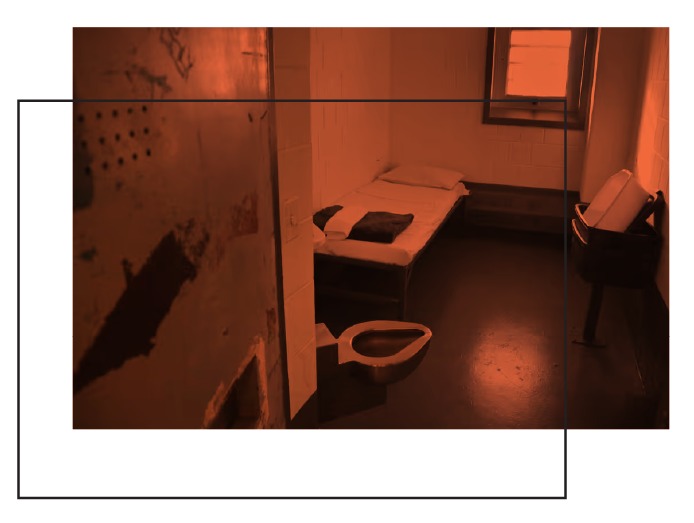
Still, an inmate who has spent time in twenty-first century isolation would recognize the dimensions of Charles Williams’ cell, and its toilet, sink, and narrow bed against the wall. And its lack of privacy. A modern inmate may be continually monitored by video feed, which only increases the feeling expressed hundreds of years ago by the Marquis de Lafayette upon seeing Eastern State for the first time: “none have exceeded — none have equaled that single oppression of being . . . exposed to the view of two eyes, watching my every motion, taking from my very thoughts every idea of privacy.”